

Mastering the Essentials: DAW Techniques for Effortless Music Production
Most producers waste hours wrestling with their DAW instead of making music. When your workflow gets stuck, creativity suffers and frustration builds. Learn essential DAW techniques that simplify your process and keep your focus on producing electronic music that stands out. Check out some useful tips to enhance your workflow.
Essential DAW Techniques
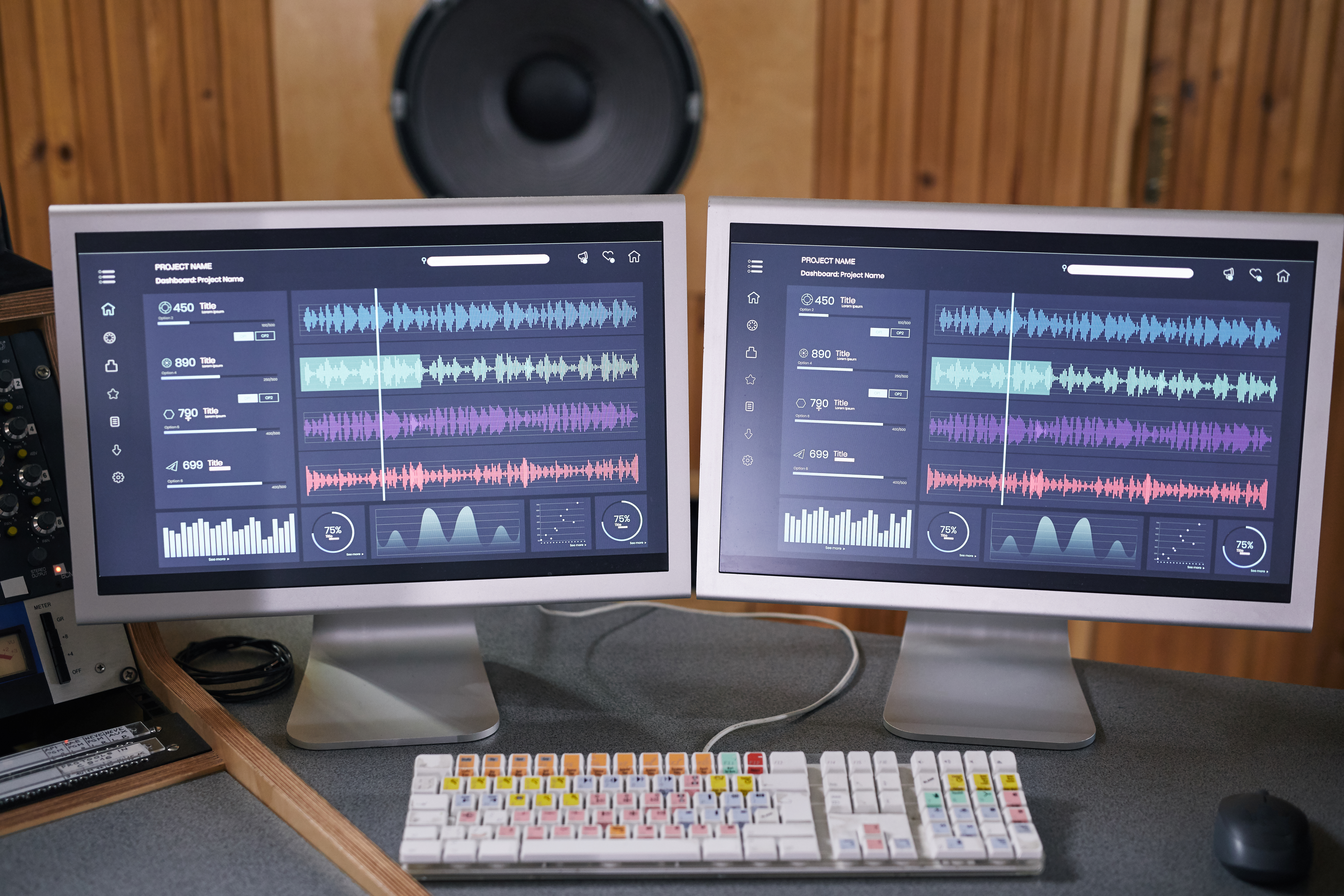
Streamlining Your Workflow
Imagine a world where your creative ideas flow seamlessly from your mind to your music. This can be your reality by organizing your DAW for maximum productivity. Start by setting up templates for different projects. A well-prepared template saves time and keeps your focus on making music. For instance, create a template with your favorite instruments and effects already loaded. This way, you dive straight into creating without the hassle of setup.
Another key strategy is using keyboard shortcuts to speed up your process. Learn the shortcuts specific to your DAW, whether it’s Ableton or Cubase, as they can cut down production time significantly. Even a small improvement, like saving five minutes per session, adds up over weeks and months. Lastly, keep your plugin library organized. Too many plugins can be overwhelming, so categorize them by type and purpose to find what you need quickly. Explore more workflow tips to enhance your efficiency.
Layering Sounds Effectively
Layering sounds can make your tracks stand out, adding depth and complexity. Begin by choosing contrasting sounds that complement each other. For example, pair a bright synth with a warm pad to create a fuller sound. This technique can transform a simple melody into a rich auditory experience.
Next, adjust the volume and EQ for each layer. Ensure no frequency clashes, making each sound distinct yet harmonious. A common mistake is keeping all layers at similar volumes, which often leads to a muddy mix. Instead, prioritize the main elements and let others support them. Remember, less is more. It’s better to have fewer, well-chosen layers than a cluttered mix. Check out some layering techniques to help you craft superior soundscapes.
Mastering Sound Design
Exploring Sound Libraries
Sound libraries are treasure troves waiting to be explored. Unlocking their potential can elevate your music to new heights. Start by exploring genre-specific libraries tailored for electronic music. These libraries offer a range of sounds that can spark creativity and introduce new elements to your music.
Dive into the vast selection of samples and loops. Mix and match them to create something unique. Remember, customization is key. Just because a sound exists doesn’t mean you should use it as is. Tweak and modify it to fit your track’s vibe. This process can lead to unexpected discoveries that inspire your next hit. For more on utilizing sound libraries, explore some community insights.
Tweaking with Precision
Precision tweaking can be the difference between a good track and a masterpiece. Focus on adjusting parameters like attack and release to shape your sounds. This attention to detail ensures that each element sits perfectly in the mix.
Experiment with effects such as reverb and delay to add depth. Subtle tweaks can create space and dimension, bringing your track to life. Avoid the trap of over-processing, though. Too many effects can drown the original sound. Strive for balance, letting each effect enhance rather than overpower. Remember, mastering the art of subtlety can set your music apart. Learn more about precision tweaking with these production tricks.
Advanced Mixing and Mastering
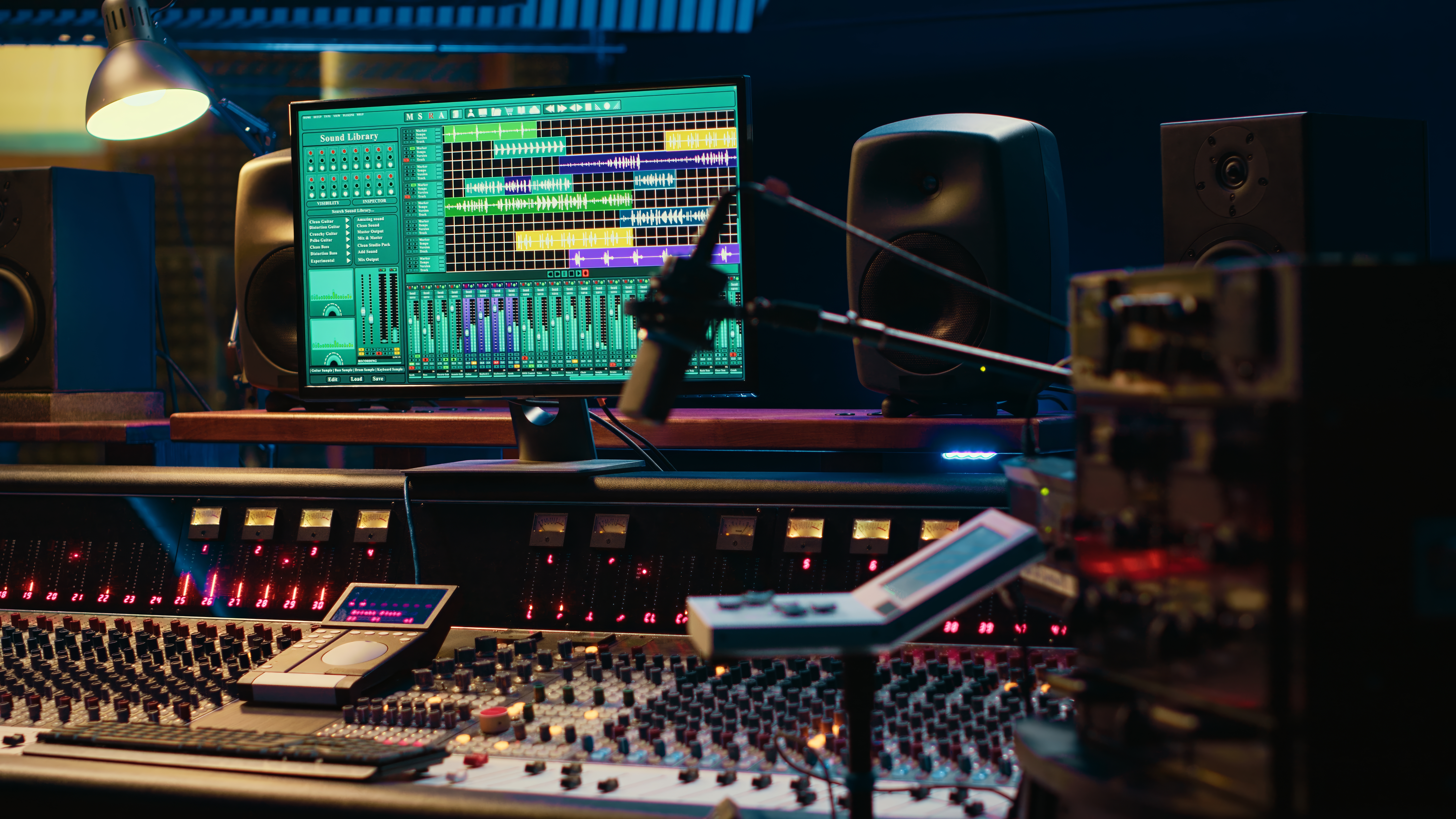
Balancing the Mix
A well-balanced mix forms the backbone of any great track. Begin with volume levels, ensuring each element is heard but not overpowering. Reference tracks from your favorite artists to guide your balance decisions. These references provide a benchmark, helping you achieve a professional sound.
Pan your instruments to create space. Panning can prevent frequency clashes and give each element its own place. Use EQ to carve out niches in the frequency spectrum, allowing each sound to shine. Remember, mixing is as much an art as it is a science. Trust your ears and don’t be afraid to make bold choices. For further insights, explore some mixing techniques.
Finalizing with Mastering Tools
Mastering gives your track the final polish it needs to compete in the industry. Use mastering tools to enhance clarity and loudness. A good master should make your track sound full and dynamic without losing its essence.
Focus on details like stereo width and compression. These elements can add punch and presence to your music. Avoid the temptation to over-compress. Preserve the dynamic range to keep the track lively and engaging. Mastering is about subtle enhancements, not drastic changes. With practice, your tracks will sound polished and ready for release. Dive deeper into mastering tools with these workflow tips.
🎶
By mastering these DAW techniques, you’re on the path to producing electronic music that truly stands out. The longer you wait to implement these strategies, the more time you lose to inefficiency and frustration. Embrace these tools and watch your music soar.